How Flowers Are Usually Categorized
There are a lot of ways to slice the flower world. Gardeners care about annual vs perennial, hardy vs tender, native vs ornamental. For people choosing a bouquet, those distinctions barely matter.
What matters for gifting: when is it in season, what colour is it, what shape and size, does it have fragrance, and how long does it last in a vase. Those five answers cover almost every real choice.
Looking for the right words? Our card messages and wishes give you lines you can copy straight onto the card.

Flowers by Season
Season is the most useful filter because it tells you what is freshest, cheapest, and most distinctive at any given moment. Florists in Toronto adjust their stock continuously, but the broad windows hold:
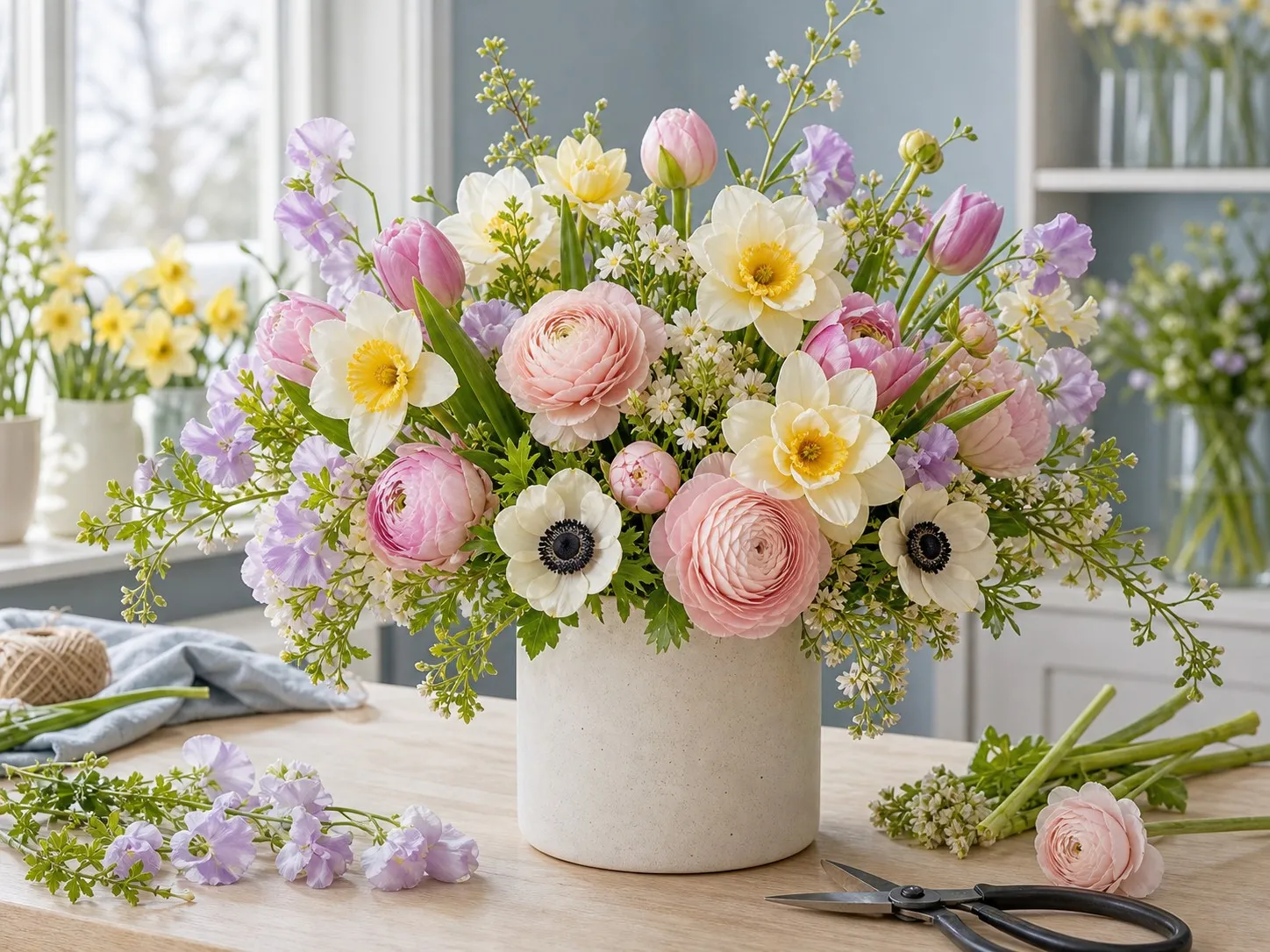
- Spring (March-May) - tulips, daffodils, ranunculus, peonies (late May), lily of the valley, sweet pea
- Summer (June-August) - sunflowers, peonies (June), dahlias, hydrangeas, garden roses, gerberas
- Fall (September-November) - chrysanthemums, dahlias, asters, marigolds, cosmos, sedum
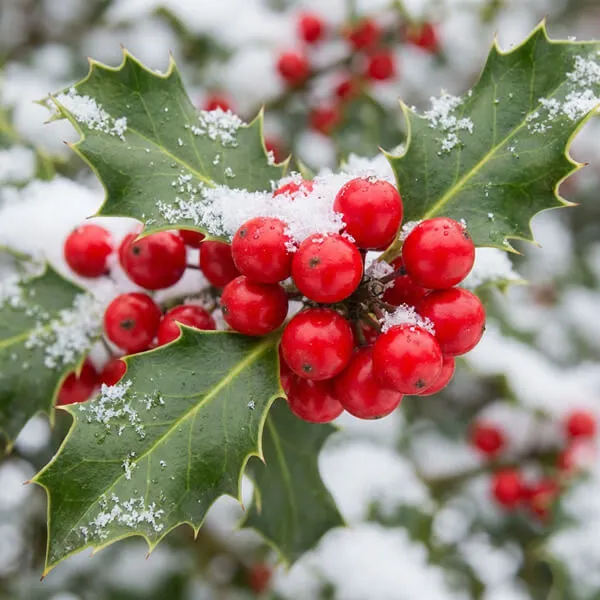
- Winter (December-February) - amaryllis, paperwhites, hellebore, camellia, holly
- Year-round (import/greenhouse) - roses, lilies, carnations, alstroemeria, chrysanthemums, orchids

Flowers by Colour
Colour does more than people realize. The same flower in red versus white versus yellow sends three different messages. For gifting specifically:
- Red - romantic, passionate, classic; works for love and milestone occasions
- White - elegant, sympathy, sincerity; wedding work and formal moments
- Pink (pale) - admiration, gentleness, gratitude; safe for most gifting
- Pink (hot) - playful, energetic, modern; birthdays and celebration
- Yellow - cheerful, friendship, encouragement; get-well and warm gestures
- Orange and peach - enthusiasm, warmth; birthdays and seasonal accents
- Purple - admiration, dignity, luxury; thoughtful and slightly grown-up
- Cream and ivory - calm, considered, modern; softer than pure white
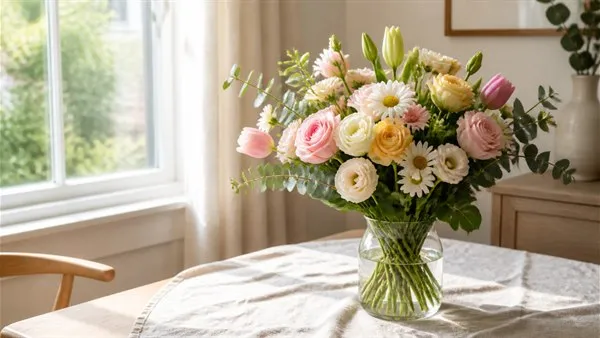
- Mixed - flexible, universally appropriate, what most florists suggest by default
For meaning-by-colour deep dives, the flower meanings hub covers individual flowers and their colour variants.
Flowers by Shape and Form
Shape changes how a bouquet reads. The same colour palette in spiky tall flowers versus round soft flowers gives two very different feelings.
- Round / soft - roses, peonies, ranunculus, hydrangeas; classic romantic look
- Spiky / tall - gladiolus, larkspur, snapdragons, delphinium; structural and dramatic
- Daisy-shaped - gerberas, asters, cosmos, sunflowers; cheerful and open
- Trumpet - lilies, amaryllis, daffodils; bold, often fragrant
- Cluster / spray - alstroemeria, freesia, baby's breath; filler and texture
- Architectural - orchids, calla lilies, anthurium; modern and minimal
Flowers by Fragrance
Fragrance is a real factor people often forget about. A heavily scented bouquet in a small apartment can be overwhelming; a beautiful but unscented one might disappoint someone who associates flowers with smell.
- Heavy fragrance - stargazer lilies, oriental lilies, freesia, hyacinth, gardenia, jasmine
- Medium fragrance - garden roses, sweet pea, peonies (varies), lavender, lilac
- Light fragrance - many modern tulips, carnations, lily of the valley
- No fragrance - most florist roses, hydrangeas, alstroemeria, gerberas, mums
Skip heavy fragrance for: hospital rooms, offices, recipients with allergies, anyone with a baby in the house. Use heavy fragrance when: home gifting, romantic occasions, larger spaces.
Where to Start When Choosing
If the choice feels paralyzing, this is the order that actually works:
- Step 1: pick the season - usually whatever is happening outside, unless the occasion overrides it
- Step 2: pick the colour - lean into the relationship and the recipient's taste
- Step 3: pick the shape - soft and round for romance, structural for modern, mixed for safe
- Step 4: check fragrance - light or none for offices and hospitals, anything for home
- Step 5: ask the florist - "a mixed seasonal bouquet" is almost always the right ask if you are stuck
Local florists in Toronto and the GTA receive fresh stock multiple times a week and can build something specific from a short description. The plain answer is usually better than over-specifying.
And when you are ready to send something, browse fresh flowers and add your note at checkout.