






Why Birth Flowers Are So Useful in Real Gifting
Birth flowers are useful because they give people a personal place to begin. You do not have to know every flower meaning in the world to choose something thoughtful. If you know the month, you already have a meaningful direction. That makes the gift feel more specific right away.
That is especially helpful when you want flowers to feel personal but not overly scripted. Birth flowers sit in a nice middle ground. They are symbolic enough to feel intentional, but flexible enough that the bouquet can still look like something a real person would love receiving.
This hub is here to make that easier. Instead of opening month posts one by one from the main blog, you can move through the year from one page and decide which birth flower story actually feels right for the person you are shopping for.
Looking for the right words? Our card messages and wishes give you lines you can copy straight onto the card.
Winter Birth Flowers
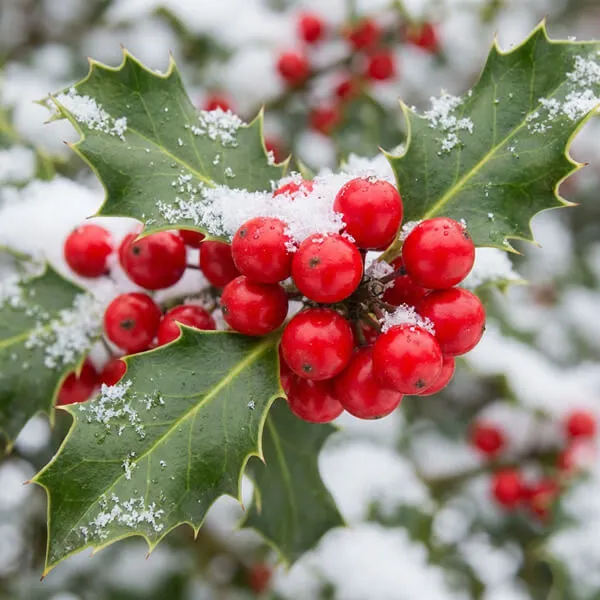
If you are shopping for a winter birthday, start with January birth flower, February birth flower, and December birth flower. These month guides tend to move through snowdrops, carnations, primroses, violets, holly, and narcissus, so the emotional language usually leans toward hope, resilience, tenderness, and fresh starts.
Winter birth flowers often work best when the bouquet feels like it brings warmth or light into the season instead of blending into the grey around it. That can mean softer shapes, clearer tones, or simply a bouquet that feels more personal than the rest of the month.
Spring Birth Flowers
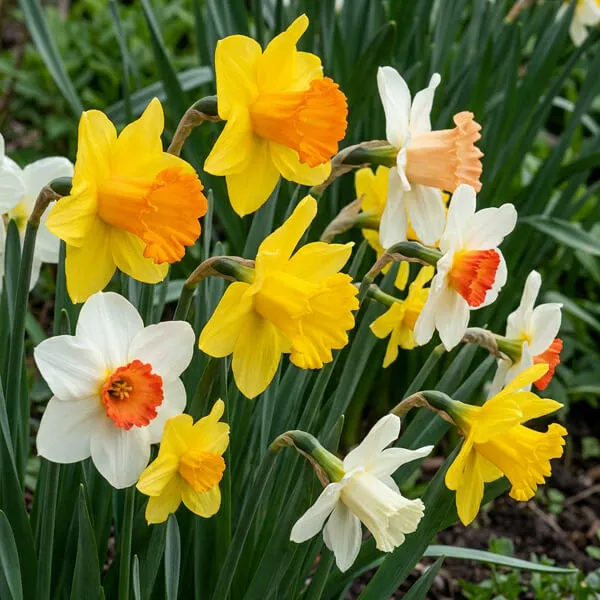
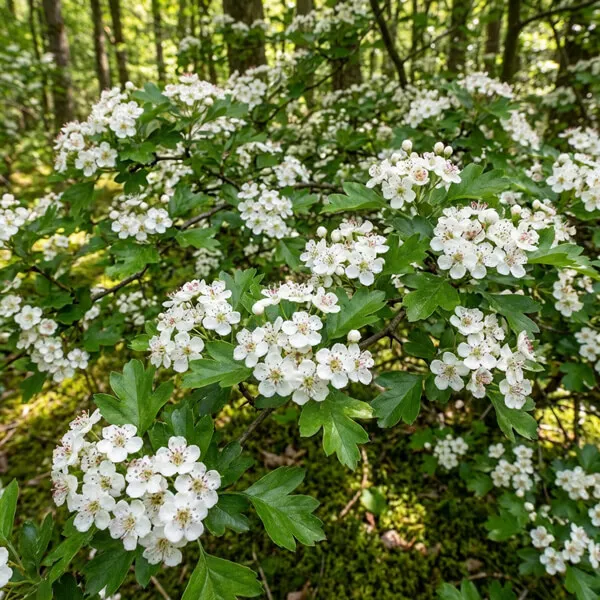
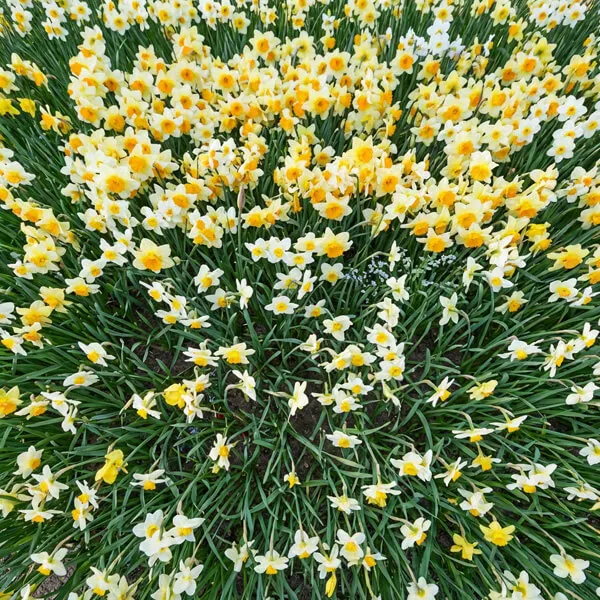
For spring birthdays, the strongest place to start is usually March birth flower, April birth flower, and May birth flower. These pages move through daffodils, sweet peas, daisies, hawthorn, and lily of the valley, so the emotional tone is often hopeful, growing, and quietly joyful.
Spring birth flower gifts usually feel best when they lean into movement, freshness, and a sense of the season opening up. The gift does not need to shout spring. It just needs to feel like life is returning to the room a little.
Summer Birth Flowers
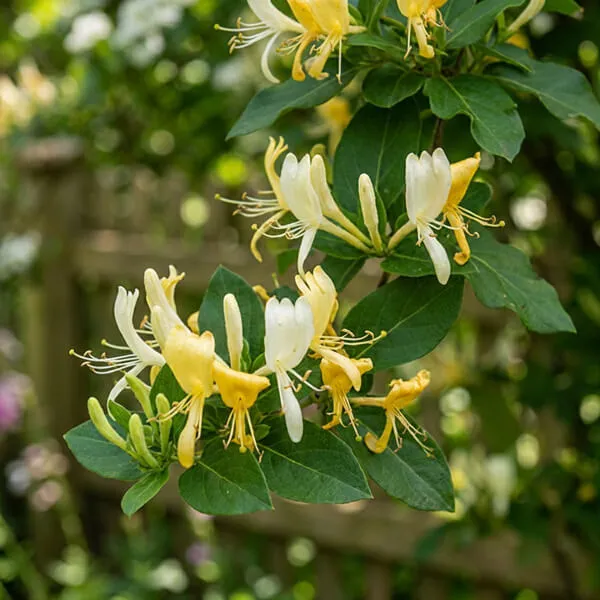
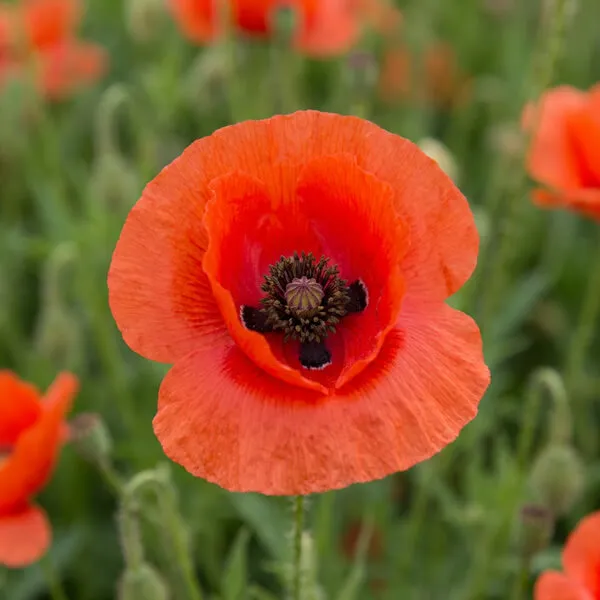
For summer birthdays, open June birth flower, July birth flower, and August birth flower. These guides move through honeysuckle, roses, water lily, larkspur, poppy, and gladiolus, so the mood becomes warmer, brighter, and a little more expansive.
Summer birth flowers usually work best when the arrangement feels alive, generous, and naturally expressive. The gift can hold more color and movement here without losing its emotional clarity.
Fall Birth Flowers
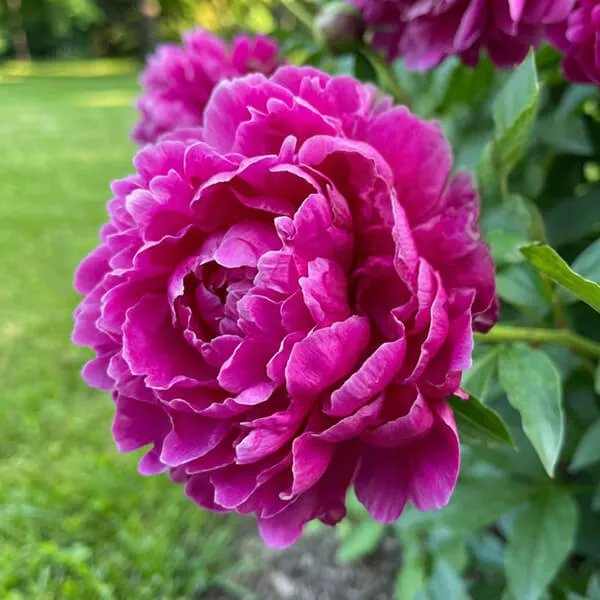
If the birthday falls in autumn, go next to September birth flower, October birth flower, and November birth flower. These pages move through morning glory, aster, cosmos, marigold, peony, and chrysanthemum, so the emotional direction becomes steadier, richer, and more layered.
Fall birth flower gifts tend to feel best when they carry some warmth and depth without becoming visually heavy. The strongest bouquets usually feel rooted in the season while still leaving room for the person’s own style.
How to Choose a Birth Flower That Actually Feels Personal
The easiest way to use this page is simple: start with the month, open the birth flower guide, and notice which flower direction feels emotionally right. Some months have a clearer single flower. Others work better as a pair. The goal is not botanical perfection. The goal is finding the version of the month that feels most true to the person.
Once the month page starts making sense, the next step is easy. Move from the birth flower guide into the main flower or gift hubs and pick the real bouquet that carries the same mood well.
When you are ready for that step, start with the main flower delivery hub or the main gift delivery hub.
And when you are ready to send something, browse fresh flowers and add your note at checkout.